AIRWAY HEALTH
Adult Sleep Apnea & Airway Health
A structural approach to better sleep
If you snore, wake up exhausted, or struggle with a CPAP machine, the issue may not be your lungs—it may be your nose and mouth.
At The Airway Dentists, we evaluate the anatomical contributors to sleep apnea, including jaw position and arch development. Our goal is to improve the airflow by addressing the underlying structure, helping you breathe more comfortably and sleep more consistently—without relying on a mask for the rest of your life.
The Benefits of Healthy Sleep
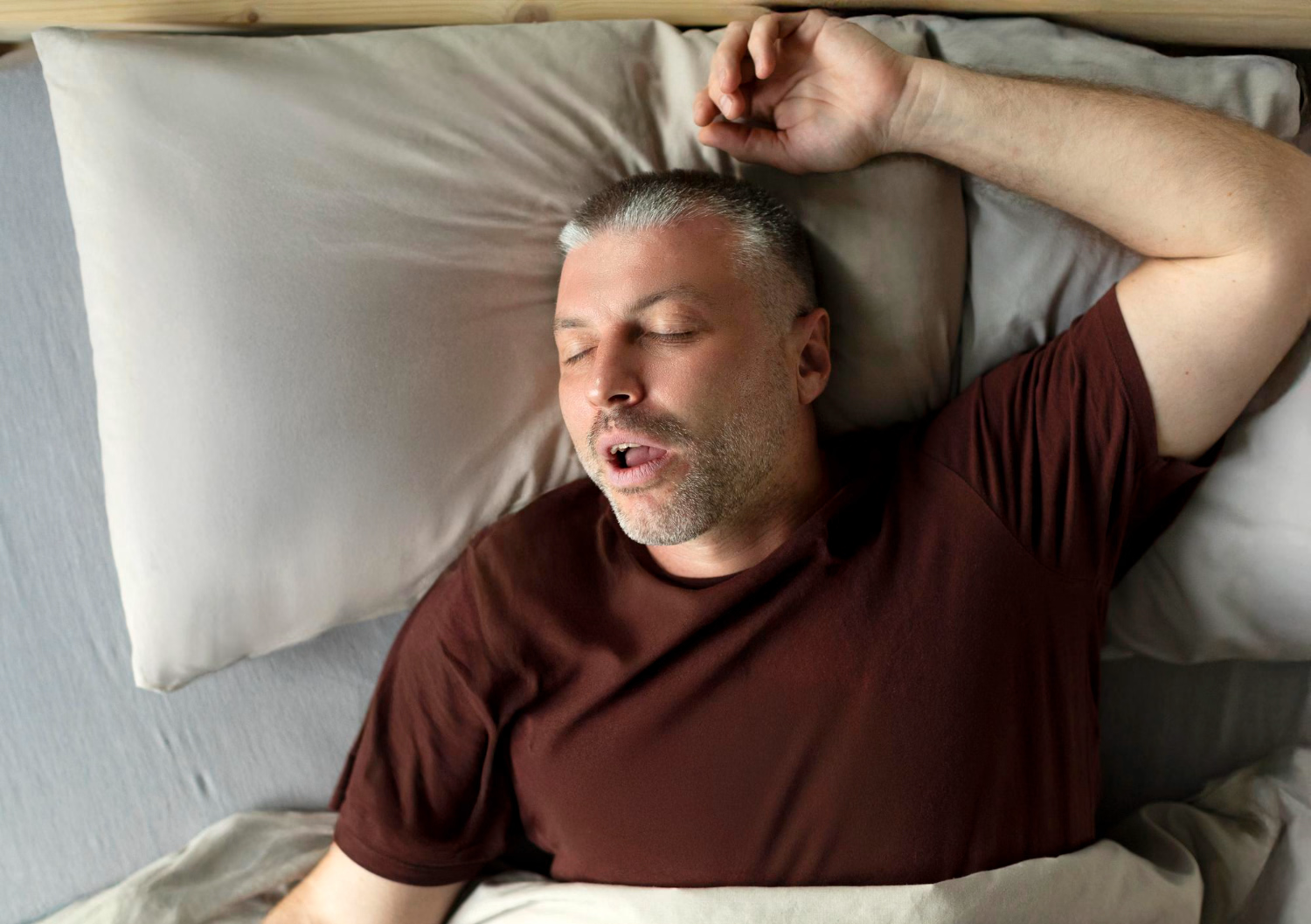
Healthy sleep changes how your body functions during the day.
More Energy
Restorative sleep can reduce morning fatigue, brain fog, and afternoon crashes.
Heart Support
Treating airway restriction can support healthier oxygen levels and cardiovascular strain.
Clearer Days
Better sleep often means better focus, mood, and daily resilience.
Why See a Dentist for Sleep Issues?
Obstructive Sleep Apnea (OSA) occurs when the soft tissues of the throat collapse during sleep, narrowing or blocking airflow. For many patients, this is influenced by jaw position and dental arch width.
When there isn’t enough space for the tongue to rest forward in the mouth, it can fall backward and interfere with breathing at night.
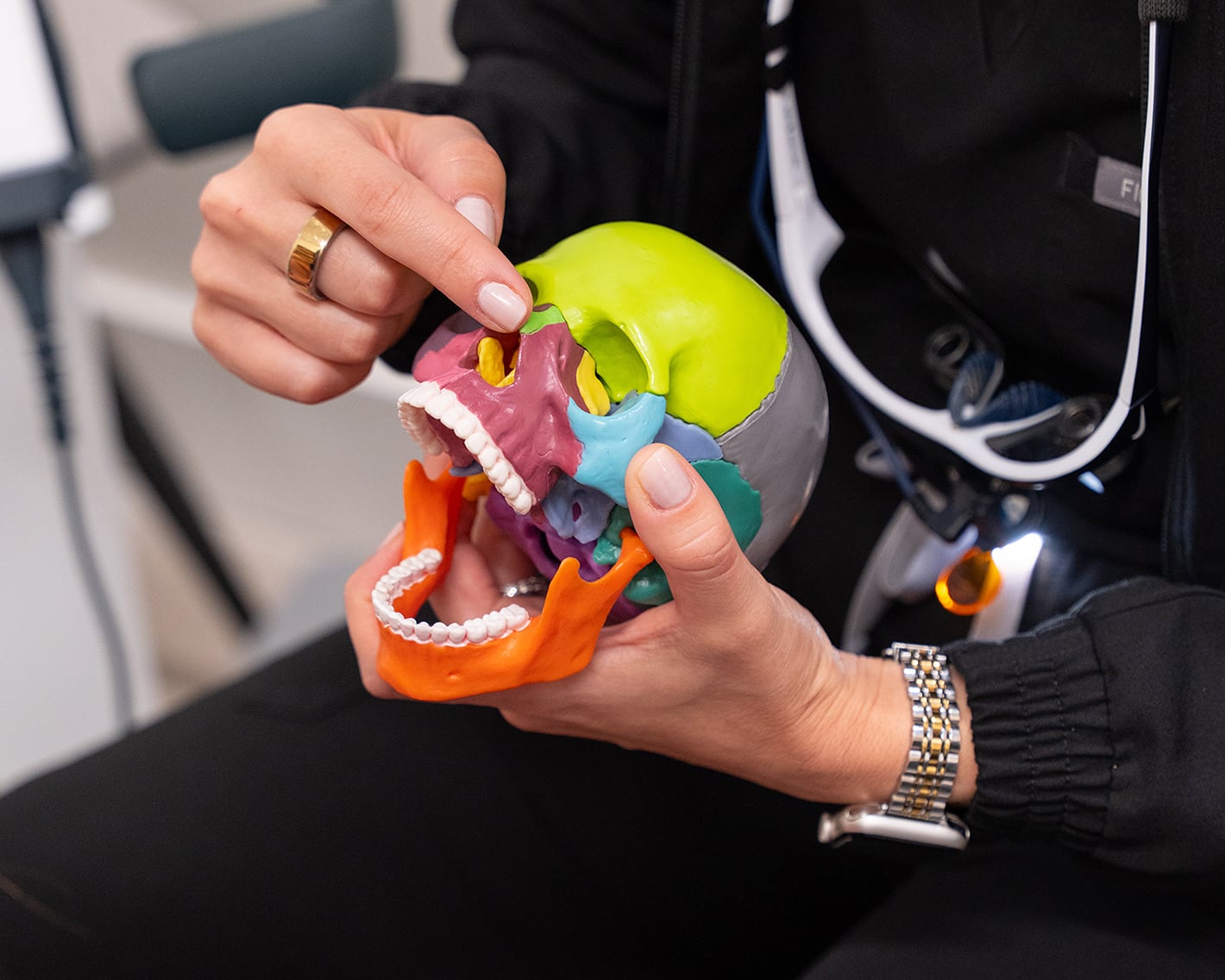
A CPAP machine works by pushing air through the airway. Airway-focused dental treatment works differently: it aims to create more physical space by repositioning the jaw and/or orthodontically expanding the dental arches. This structural approach supports more stable airflow during sleep.
THE WARNING SIGNS OF AIRWAY ISSUES
Sleep apnea symptoms can show up at night and carry into the day.
Nighttime Signs
- Snoring: Loud or frequent snoring can be a sign that airflow is restricted during sleep.
- Teeth Grinding (Bruxism): Nighttime grinding may happen as the jaw clenches in response to airway obstruction.
- Gasping: Waking suddenly with a choking or gasping sensation may indicate interrupted breathing.
Daytime Symptoms
- Chronic Fatigue: Waking up unrefreshed, even after what seems like a full night's sleep.
- Morning Headaches: These can be linked to disrupted breathing and oxygen levels during the night.
- Brain Fog: Trouble concentrating, remembering things, or feeling mentally clear during the day.
These symptoms are worth paying attention to. Over time, untreated sleep apnea can also affect cardiovascular health, including blood pressure and long-term heart health.
Treatment Options Designed Around You
We don’t believe in “one size fits all” treatment. We offer two primary pathways to treating sleep apnea, recommended based on your anatomy and treatment goals.
OPTION 1: IMMEDIATE RELIEF
Oral Appliance Therapy
For patients who want effective relief without a CPAP machine, oral appliance therapy uses a custom-fitted device called a mandibular advancement device (MAD). Worn during sleep, it gently holds the jaw forward to help keep the airway open.
Best for: CPAP intolerance, travel, mild-to-moderate apnea.
The result: Quiet, comfortable support while you sleep.
OPTION 2: ROOT-CAUSE SOLUTION
Adult Airway Expansion
Adult airway expansion is designed to address the structural issue itself. By widening the dental arches, we create lasting room for the tongue and airway, supporting healthier breathing over time.
Best for: Patients who want to correct the underlying cause of airway obstruction.
The result: A more open airway, improved function, and structural changes designed to last.
WHAT TO EXPECT
A Clear Experience
Sleep apnea care can feel unfamiliar at first. We’ve designed the experience to feel more comfortable, understandable, and supportive from the moment you walk in.
- Comfortable Setting: Our offices are designed to feel calm, modern, and easy to navigate.
- Clear Communication: We take time to explain what we're looking at, what your results mean, and what the next steps are.
- Supportive Care: Whether you're coming in for screening, diagnosis, or treatment, our goal is to make the process feel manageable and well guided.

HOW IT WORKS
How We Diagnose Sleep Apnea
We take a step-by-step approach to understanding what’s affecting your sleep and how to treat it.
Airway Screening
During your dental exam, we look for physical signs of airway restriction — scalloped tongue, tonsil size, and wear patterns on your teeth.
Sleep Test
We dispense an easy-to-use Home Sleep Test. You sleep in your own bed for one or two nights.
Diagnosis
A board-certified sleep physician reviews your data to provide a formal medical diagnosis.
Treatment Plan
Based on the doctor’s findings and your goals, we design a custom therapy plan to restore your sleep.
ASK THE EXPERTS
Frequently Asked Questions
Do I need a referral to see you?
No. You can schedule an airway screening directly with us. If you require testing beyond our regular at-home sleep ring test, we facilitate the connection with top sleep physicians to get you the necessary prescription for treatment.
Is this covered by insurance?
Because sleep apnea is a medical condition, treatments like Oral Appliance Therapy are often covered by medical insurance (not dental). Our team helps you verify your benefits.
Why do I grind my teeth at night?
Grinding is often a red flag for sleep apnea. Your body clenches the jaw to stiffen the throat and prevent it from collapsing. Treating the airway often stops the grinding naturally.